







Sit Bones 101: The Science of Pressure-Free Riding

Your sit bones do not get a lot of attention until your saddle starts making itself known. Then suddenly they matter a whole lot.
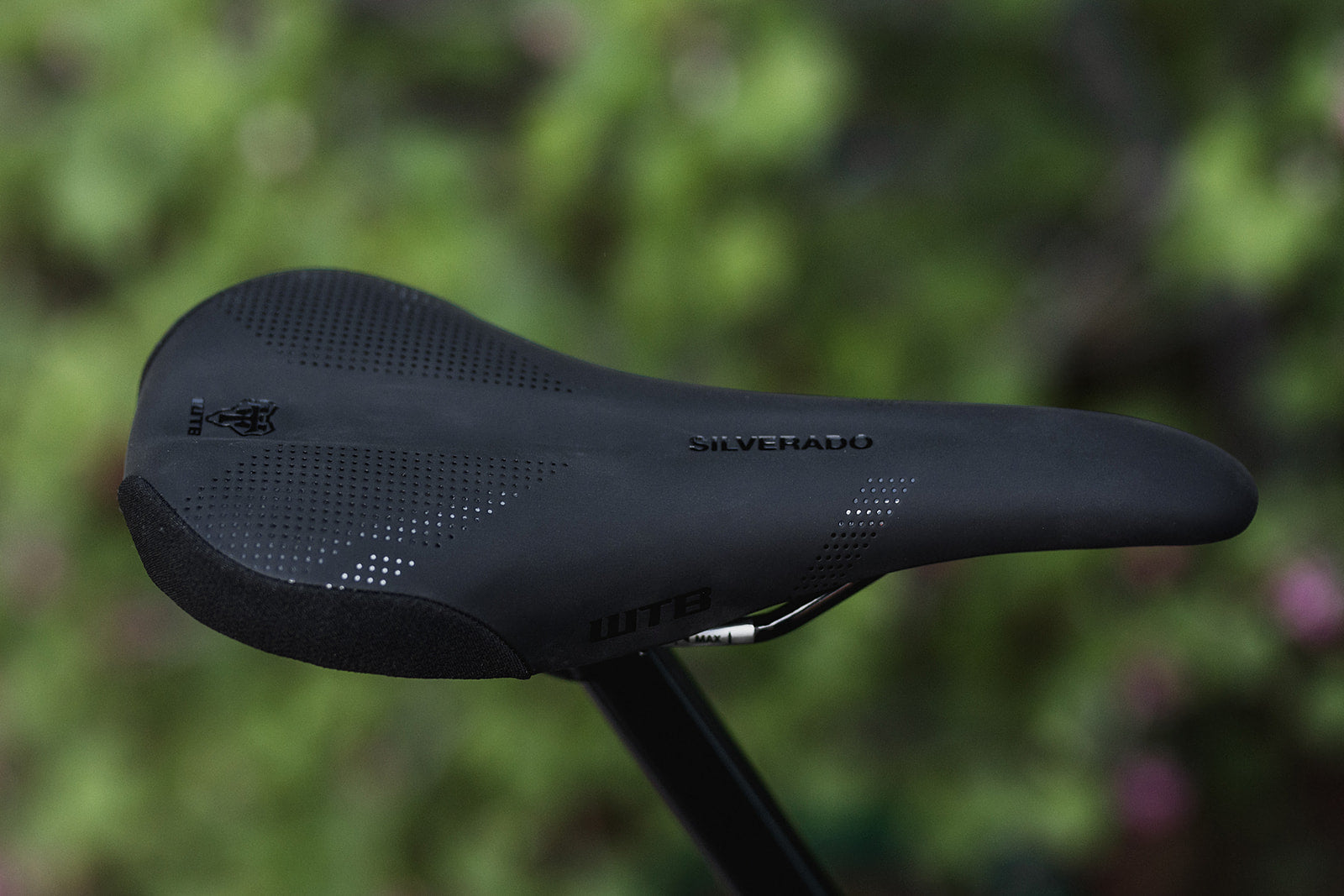
Sit bones are one of the biggest clues in finding a better bike saddle fit. They help determine where your body should be supported, how pressure should be distributed, and why one saddle can feel invisible to one rider and miserable to another.
The good news is that this doesn’t have to be complicated. You don’t need a lab coat, a white paper, or an hour of internet rabbit holes. You just need to understand what your sit bones do, why width matters, and how they work with the rest of your riding position.
That’s the foundation behind WTB’s Fit Right System: personalized saddle recommendations based on what makes you unique and how you ride your bike.
What are sit bones?
Your sit bones are the lower points of your pelvis that contact the saddle when you sit on a bike. They’re meant to handle pressure better than soft tissue, which is why a good saddle supports those bones instead of asking everything around them to do the job.
Think of sit bones like the starting line for saddle fit. They don’t answer every question, but they give you a much better place to begin than picking the softest saddle on the wall or buying whatever your riding buddy swears by.
Why sit-bone width matters
Every rider’s sit-bone width is different. That’s one reason saddles come in different widths, profiles, and shapes.
If your saddle is too narrow, your sit bones may sit outside the main support area. That can push pressure into softer tissue and contribute to bike saddle pain or numbness. If your saddle is too wide, it can create friction, interfere with your pedal stroke, or feel bulky when you’re moving around on the bike.
The goal is not simply “wider is better.” The goal is proper support. Your saddle should catch your sit bones where they naturally land while still giving your legs room to move.
Pressure-free does not mean pressure-free everywhere
No saddle removes pressure completely. You’re sitting on a small surface while riding a machine over pavement, gravel, dirt, roots, rocks, or whatever else the day throws at you.
Your riding position changes your pelvic angle. Your pelvic angle changes where pressure shows up. Ride duration and intensity matter too, because a saddle that feels fine for 45 minutes can start telling a different story after two hours.
The goal is better pressure management. Support the areas that can handle load. Reduce pressure in the areas that can’t. Keep the saddle stable enough to feel efficient, but comfortable enough that you can stop thinking about it.
That’s the magic trick. Not more cushion everywhere. Better support in the right places.
Shape matters as much as width
Sit-bone width is important, but it’s not the whole story. Saddle shape changes how your body sits, how you move, and where pressure builds.
Some riders need a flatter platform. Others get along better with more contour. Some riders want room to shift positions during long gravel rides. Others need a shape that stays out of the way on technical mountain bike terrain. There are also riders who spend most of their time seated in a more upright position and need support that reflects that.
That’s why finding the right saddle can feel so personal. It is personal.
Riding position changes your contact points
Your sit bones don’t land on the saddle the same way in every riding position.
As you rotate forward into a lower, more aggressive position, pressure can move. As you sit more upright, your sit bones may carry more direct load. When you stand, hover, climb, descend, or shift around, your relationship with the saddle keeps changing.
That’s why a saddle that works on one bike may not automatically work on another. Road, gravel, mountain, and urban riding all ask different things from your body.
Flexibility and stability help complete the picture
Fit Right also looks at flexibility and stability because your body position is not fixed. It changes with mobility, strength, fatigue, terrain, and time.
A flexible rider may be able to rotate forward more comfortably. A less flexible rider may need a different kind of support. A rider with more core stability may hold position longer before fatigue changes posture. A rider who spends long hours in the saddle may need a different balance of support and padding than someone heading out for shorter rides.
Again, none of this is a pass/fail test. It’s about matching the saddle to the rider, not the other way around.
How to measure your sit bones
There are a few ways to measure sit-bone width. Many bike shops have tools that make it easy. You can also get a useful starting point at home with a piece of cardboard or a firm surface that shows clear indentations.
The basic idea is simple: sit down, let your sit bones leave two marks, then measure from the center of one mark to the center of the other. That number gives you a starting point for finding the right saddle width.
Fit Right uses that number along with your ride style, duration, intensity, flexibility, stability, and bike type to recommend saddles from WTB’s range.
Your favorite saddle starts with your body
Sit-bone width is not the only factor in saddle comfort, but it’s one of the most important places to begin.
When your saddle supports your structure, manages pressure, and matches the way you ride, comfort gets a lot easier. You stop moving around because something hurts and start moving because the trail, road, or route asks you to.
That’s the whole point. A good saddle should disappear underneath you.
Use WTB’s Fit Right System to find personalized saddle recommendations built around your body and your ride.
Designed for Riders at Every Level
Fit Right does not frame flexibility or stability limitations as barriers. Even top-level professional riders can have restricted mobility. The key is matching saddle design to the rider, not the other way around. By combining lab testing, rider data, and years of saddle development, WTB aims to make finding the right saddle more approachable, more precise, and less reliant on trial and error.
Available Now
WTB’s Fit Right System is live now at www.wtb.com/pages/fit-right-system along with additional resources on saddle setup and positioning.
About WTB
Founded in 1982, WTB was formed in Marin County, the birthplace of mountain biking, to design better bicycle products. Renowned for saddles, tires, rims and grips, this rider-driven company continues to push the boundaries of what’s possible through an unrelenting spirit of innovation and passion for two-wheeled adventure.