Pack Member Spotlight: Amy Morrison
Amy Morrison is fast but that's only part of the story.
She teaches health education, coaches high school mountain bikers, runs women’s clinics, races enduro at the highest level, and still talks about riding like someone who found the sport yesterday and never got over it.


Amy Morrison’s story is not that tidy, which is what makes it better.
She did not grow up chasing enduro results. She was a Division I pole vaulter at Clemson University and a competitive barefoot water skier before she ever got serious about mountain biking. She moved to Northern California in 2012, bought a hardtail, tried cross-country, and quickly figured out that she liked going down a lot more than she liked suffering up.
Eight months after buying her first trail bike, she entered her first enduro race at Mammoth Mountain’s Kamikaze Bike Games. She double flatted and had to drop out. She loved it anyway.
That part feels important. Some riders need a perfect first race to get hooked. Amy got the full mountain bike welcome package - speed, chaos, mechanicals, disappointment - and still wanted more.
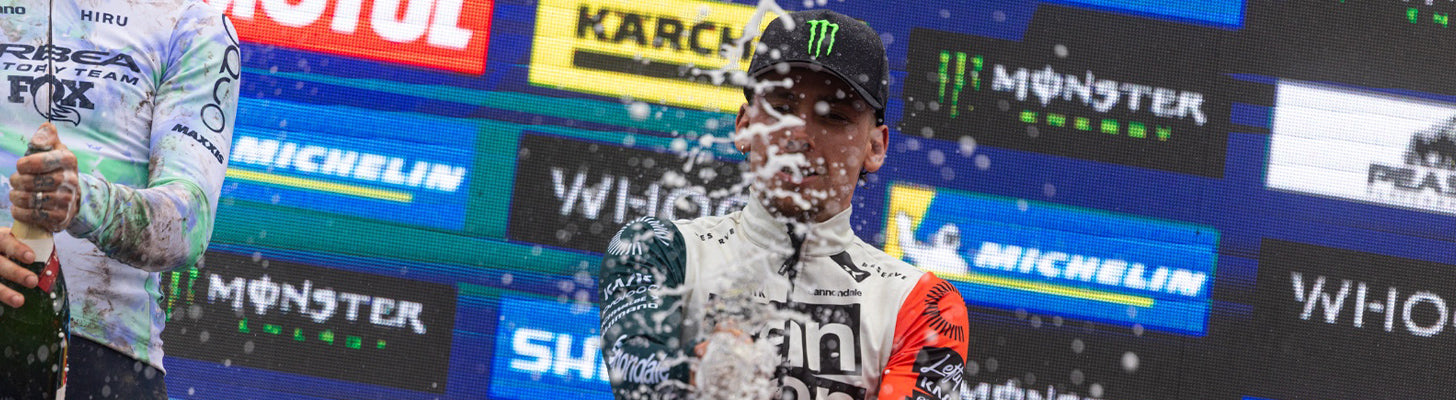
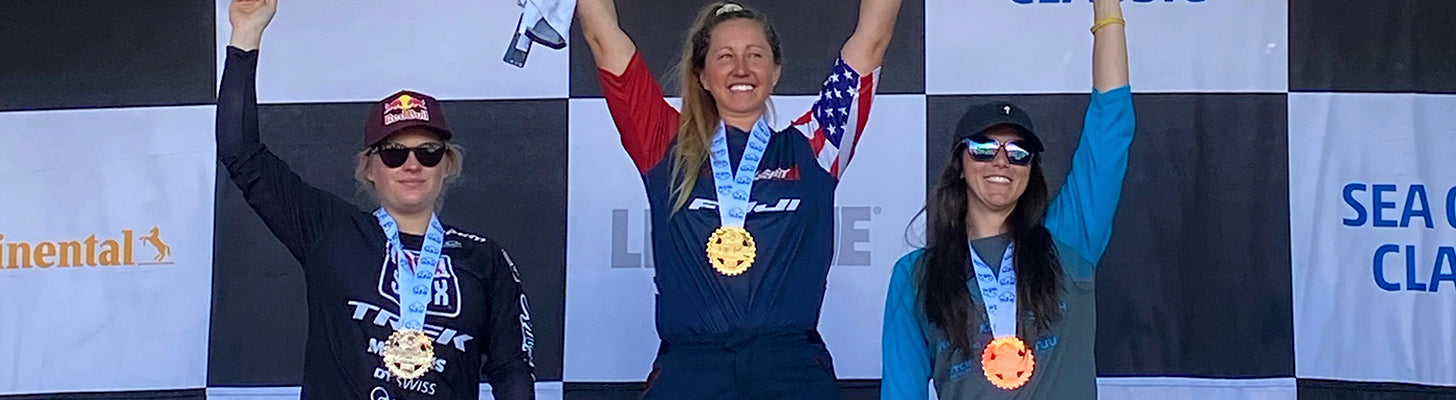
Since then, she has won two US National Enduro Championship titles, taken an EWS stage win at Northstar, won the North American Enduro Cup at Silver Mountain, and added a 2025 TDS Enduro victory to the list. She has done it while working full-time as a high school health education teacher in Carson City, Nevada, coaching a mountain bike club she started at her school, and running clinics for women riders.
Plenty of people are fast. Fewer people are fast and actively making the sport better for the next person in.
She found mountain biking late. She did not ease into it.
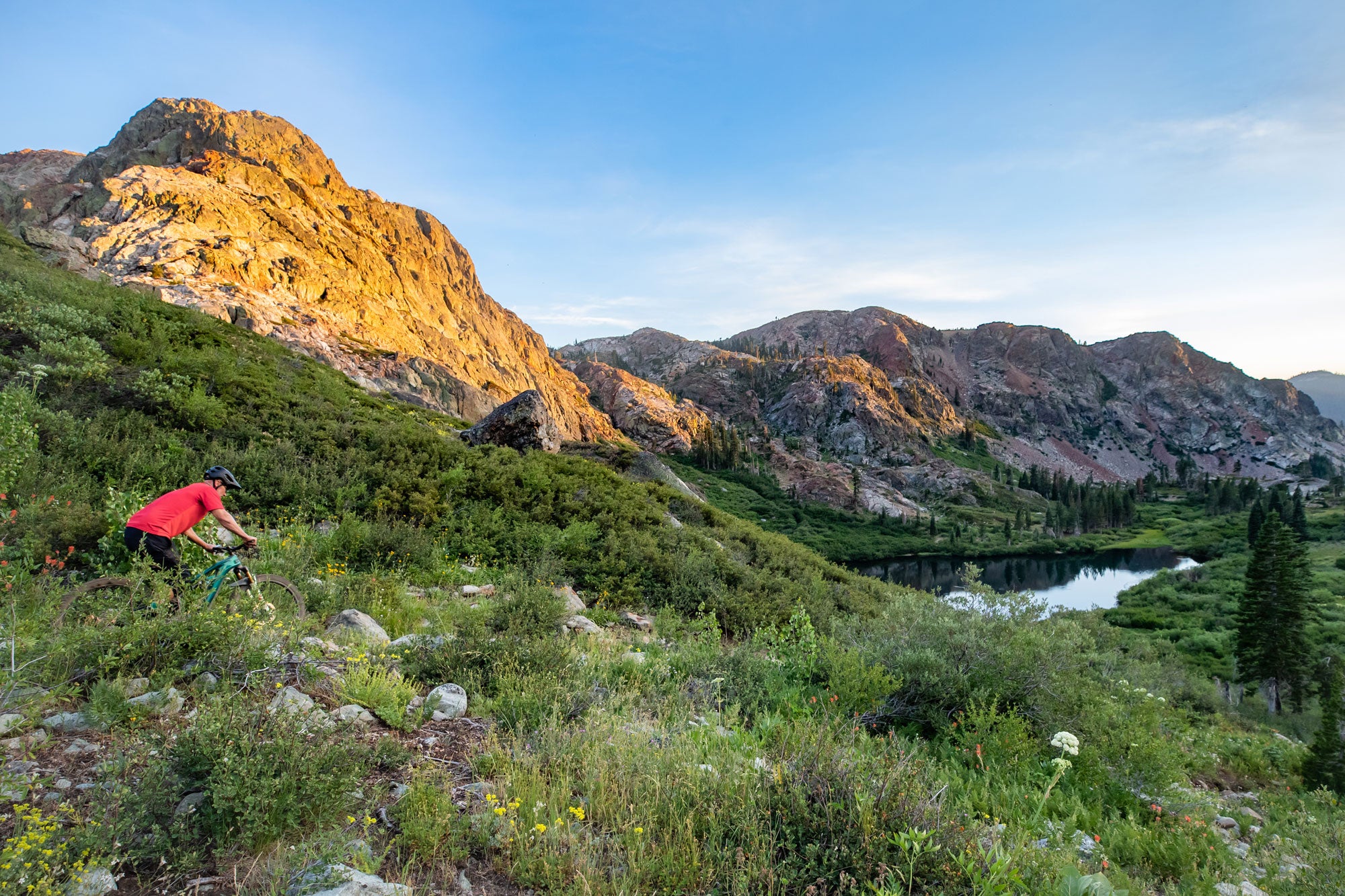
Most people who start riding in their late twenties spend a few seasons figuring out what kind of rider they are. Amy compressed that timeline. Tahoe-area trails helped. They are fast, technical, rocky, and not especially interested in easing anyone into the sport.
Her athletic background helped too. Pole vaulting and barefoot water skiing both reward timing, body control, and commitment. Enduro racing asks for the same thing in a different language. At some point, you have to make a decision, trust it, and go.
That ability to commit shows up in how Amy rides technical terrain. It also shows up in how she talks about racing. She takes the results seriously, but she is careful not to let racing swallow the thing that made riding worth doing in the first place.
“To not let the racing take over the riding. To remind yourself why you’re out there - because it’s fun, challenging, and takes you to amazing places.” - Amy Morrison on the best advice she has received
That is not a throwaway line. It is the center of how she seems to operate. Racing matters. Winning matters. But riding still has to feel like riding.

The Classroom, the Club, and the Point Beyond the Podium
Amy started a mountain bike club at her high school in 2020, which was not exactly the easiest time to launch an after-school activity. She did it anyway.
The club gets students outside, puts them on trails, and gives them a way into a sport that can feel intimidating from the outside. That matters. Mountain biking is easier to love once someone shows you where to start, what to bring, how to move on the bike, and that walking a feature is not a personal failure.
She brings that same energy to women’s clinics and skills camps, where riders come in trying to build confidence, break through a plateau, or simply feel less alone in the learning curve.
“They have so much fun riding and it really brings the stoke back after racing all summer long.” - Amy Morrison, on coaching the high school mountain bike club
It says a lot about Amy that helping students learn to ride can refill the same tank that racing drains. A full season of enduro can make the bike feel like work. A group of kids discovering what it feels like to clear a corner or ride a trail together can make it feel new again.

How She Races a Course She Barely Knows
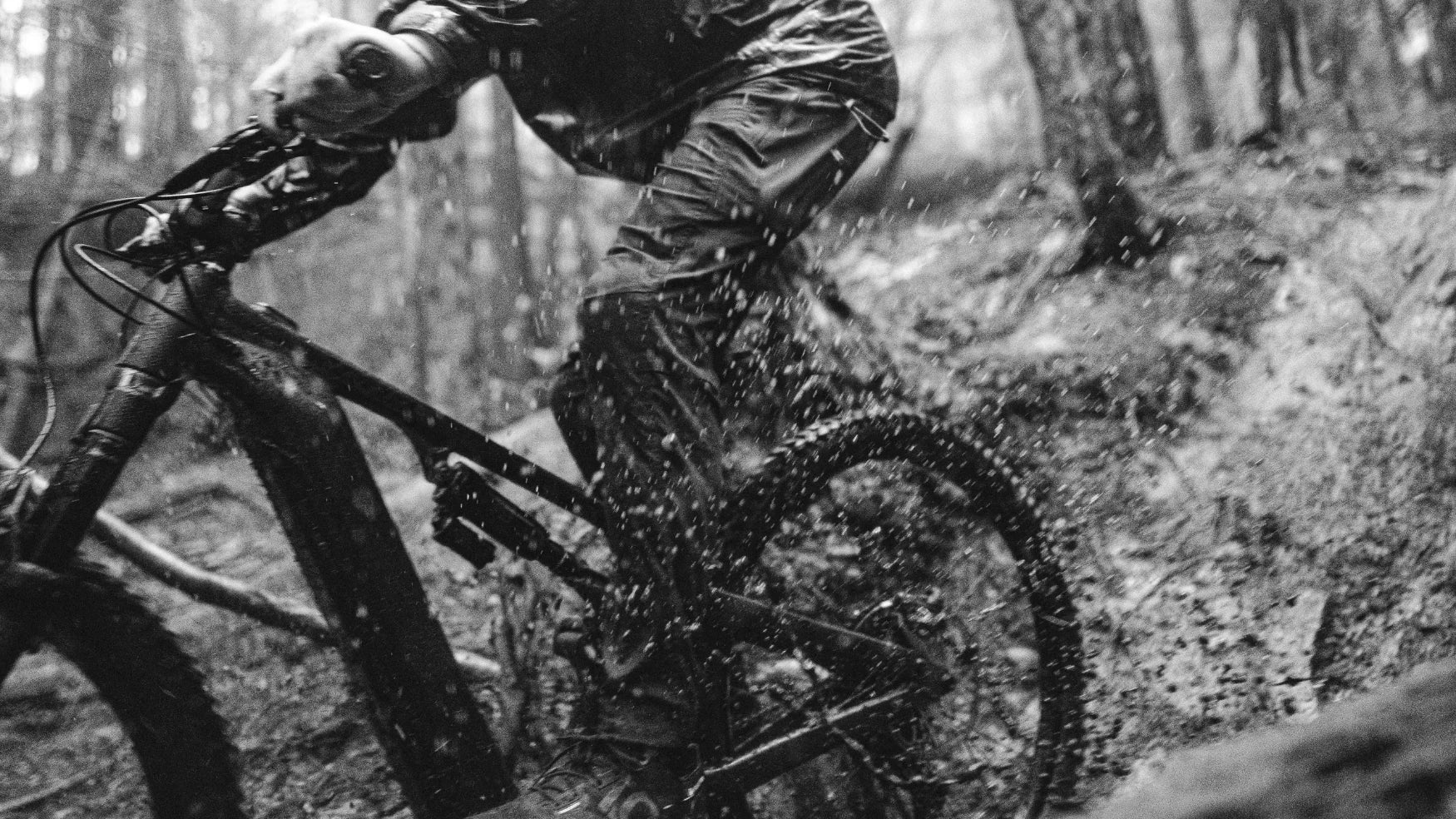
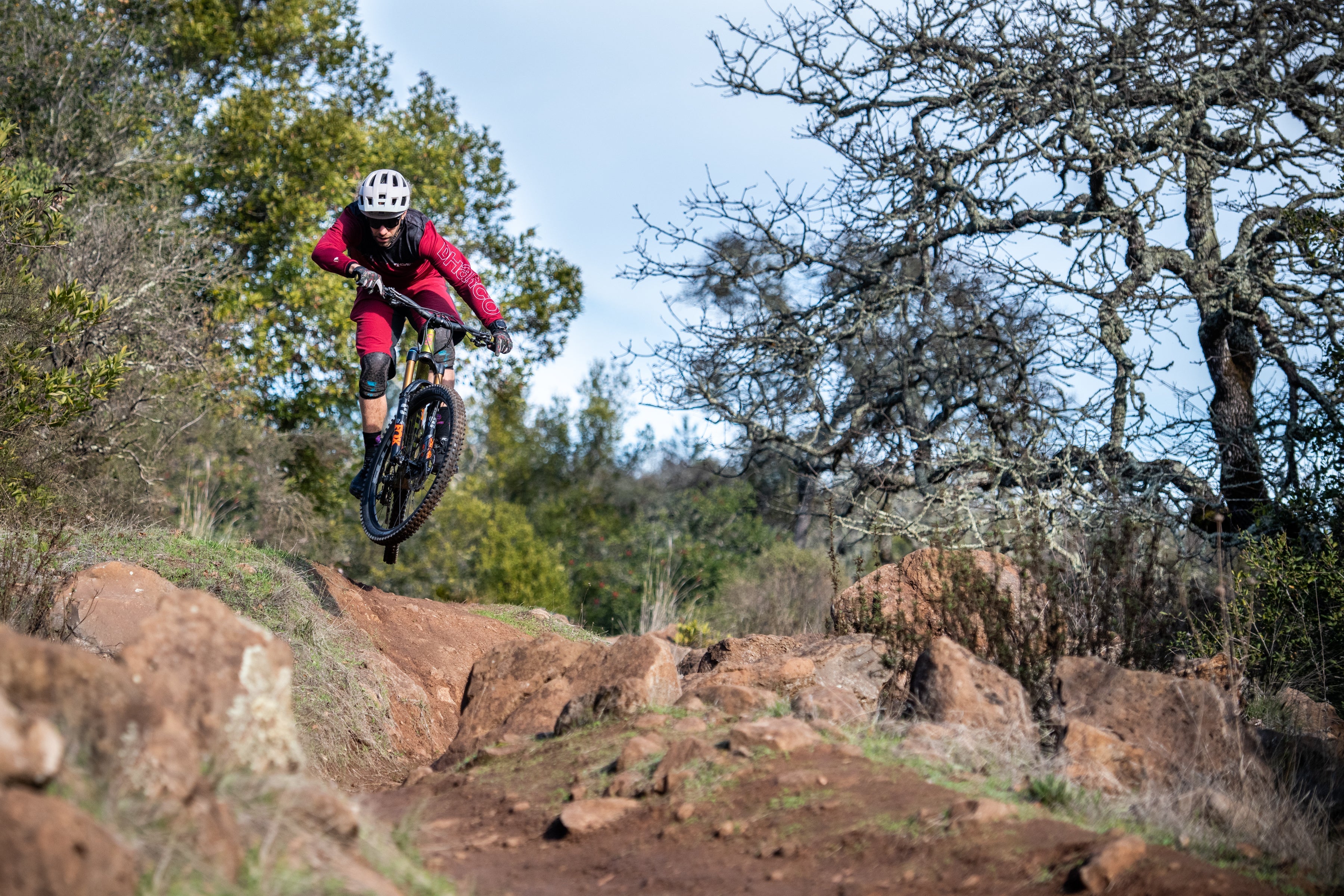
Enduro racing is a strange mix of patience and violence. You get limited practice, maybe one good look at a line, and then you have to race it like you have known it for years. The best riders are not just strong. They are good at reading terrain while it is coming at them too fast.
At the North American Enduro Cup at Silver Mountain in Idaho, Amy had to manage exactly that: long stages, steep terrain, serious consequences, and enough speed to make small mistakes expensive. Her approach was not complicated, but it was hard to execute: trust the practice, ride her own race, know when to charge, and know when to manage.
That is the part of enduro that rarely shows up in a results sheet. The race is not just who can go fastest. It is who can keep making good decisions while tired, uncomfortable, and very aware that the trail is not going to get easier.
“She’s got this calm confidence. She doesn’t just survive the gnar - she thrives in it.” - WTB teammate, after the North American Enduro Cup

Her WTB Setup Is Built Around Trust
Ask Amy what she runs up front and the answer is immediate: Vigilante 2.5. High grip. Tough casing. Non-negotiable.
That makes sense. In technical enduro terrain, losing the front wheel is usually not something you save with optimism. The front tire has to bite when the line is loose, rocky, blind, or all three. The Vigilante gives Amy the confidence to push into corners where hesitation costs time and traction is everything.
Out back, she runs a Trail Boss 2.4. It gives her enough traction to hold hard exits without dragging through every pedaling section. That front-rear pairing is classic enduro logic: maximum confidence where steering depends on it, faster rolling support where efficiency matters.
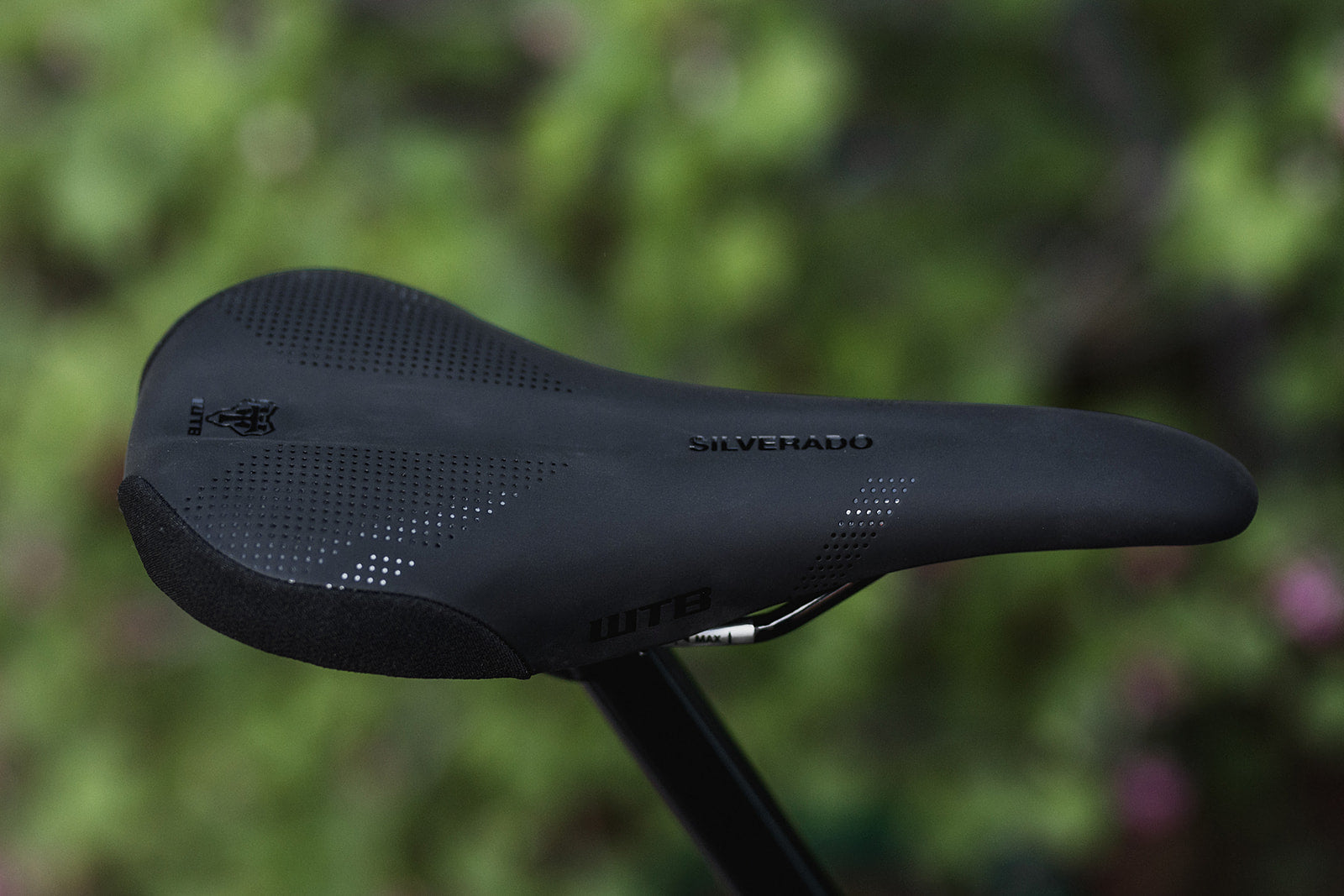
Her wheels are WTB CZR i30 carbon, which have been through the kind of abuse that only high-speed enduro racing can provide. Her saddle is a Silverado Medium with titanium rails, chosen for the performance-to-weight balance that works on race day and during long training days in the Tahoe backcountry.
|
Component |
Amy's Setup |
|---|---|
|
Front Tire |
WTB Vigilante 2.5 - high grip, tough casing, and Amy’s non-negotiable choice up front. |
|
Rear tire |
WTB Trail Boss 2.4 - fast-rolling with enough traction for hard exits and rough terrain. |
|
Wheels |
WTB CZR i30 carbon rims - light, stiff, and proven under real enduro abuse. |
|
Saddle |
WTB Silverado Medium with titanium rails - the race-ready balance of support, weight, and movement. |
|
Bike |
Transition, which Amy moved to in 2023 and has stuck with since. |
What Comes Next
Amy continues to balance national enduro racing, select international events, teaching full-time, running the school club, and coaching clinics when the calendar allows. That is a lot of moving pieces. It is also the clearest picture of who she is in the sport.
She wants to keep competing at the highest level. She also wants more people to discover mountain biking, feel welcome in it, and stick around long enough to find their own version of it.
That combination is rare. Results get attention. Community work leaves something behind.

Follow Amy
Keep up with Amy’s racing, clinics, and trail time on Instagram. Her next races and community work are worth following whether you have pinned on a number or just like seeing someone ride hard and keep the door open behind her.
Ride What Amy Rides
The Vigilante, Trail Boss, CZR wheels, and Silverado saddle are available at wtb.com. If you want to understand the thinking behind a confident front tire and faster-rolling rear, the WTB tire guides are a good place to start.
About WTB
Founded in 1982, WTB was formed in Marin County, the birthplace of mountain biking, to design better bicycle products. Renowned for saddles, tires, rims and grips, this rider-driven company continues to push the boundaries of what’s possible through an unrelenting spirit of innovation and passion for two-wheeled adventure.