



Rocket


Free shipping $100+Contiguous US only
Free shipping for orders over $100, excluding deliveries to Hawaii and Alaska.
Orders are typically processed within 1-2 business days and shipped via UPS standard ground service from our warehouse in San Rafael, California.
Warranty policy
We guarantee our products for at least two years.
Product description
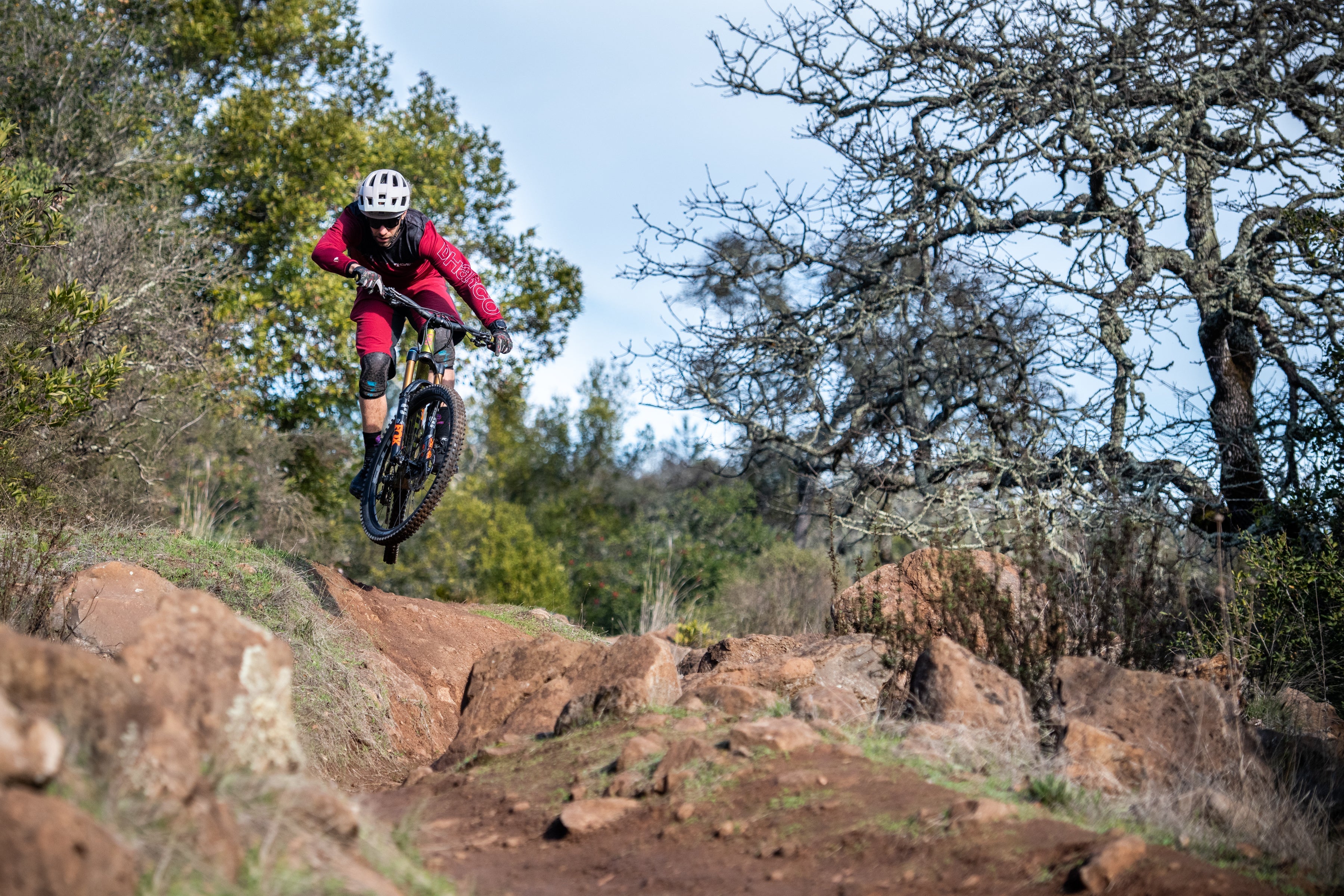
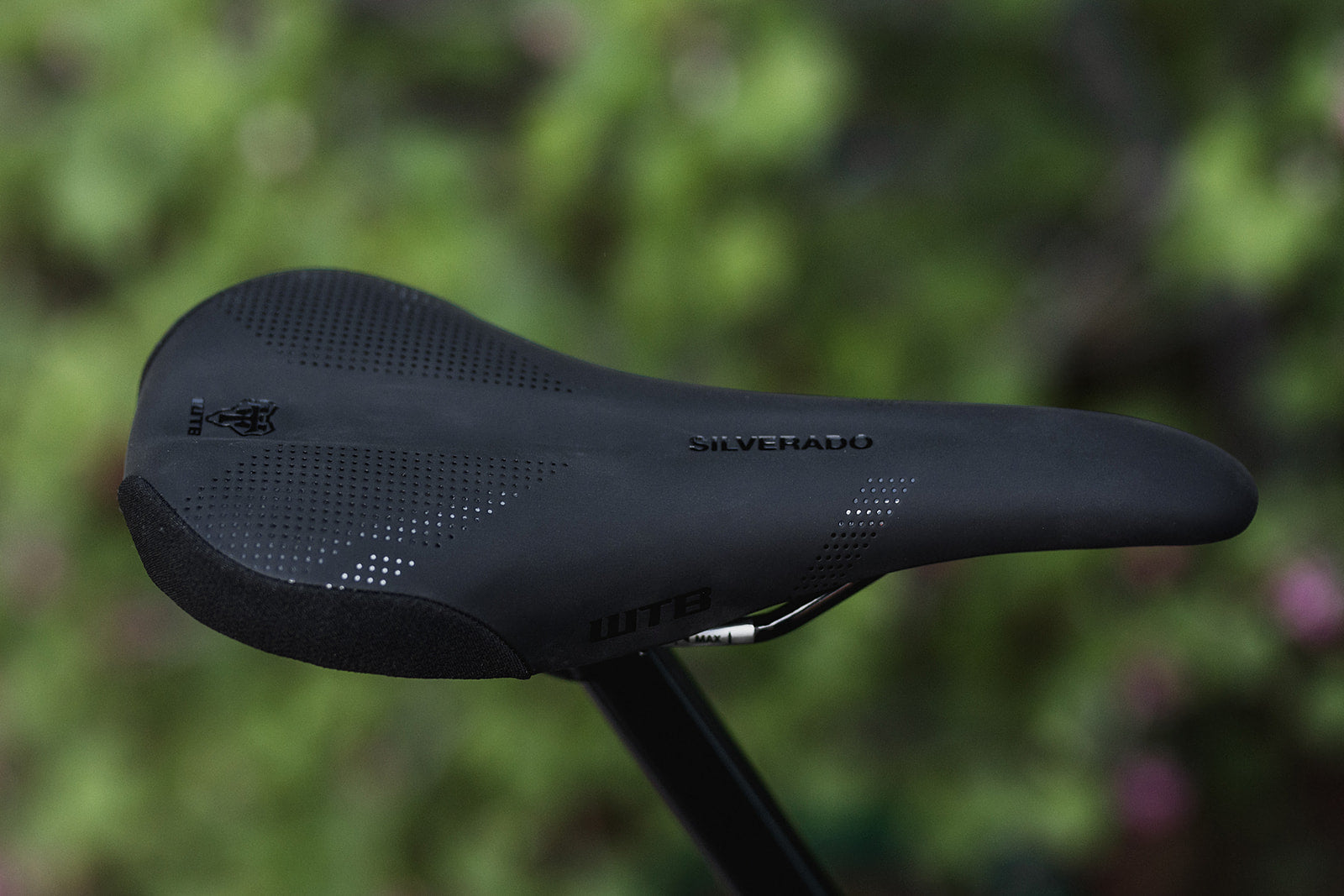
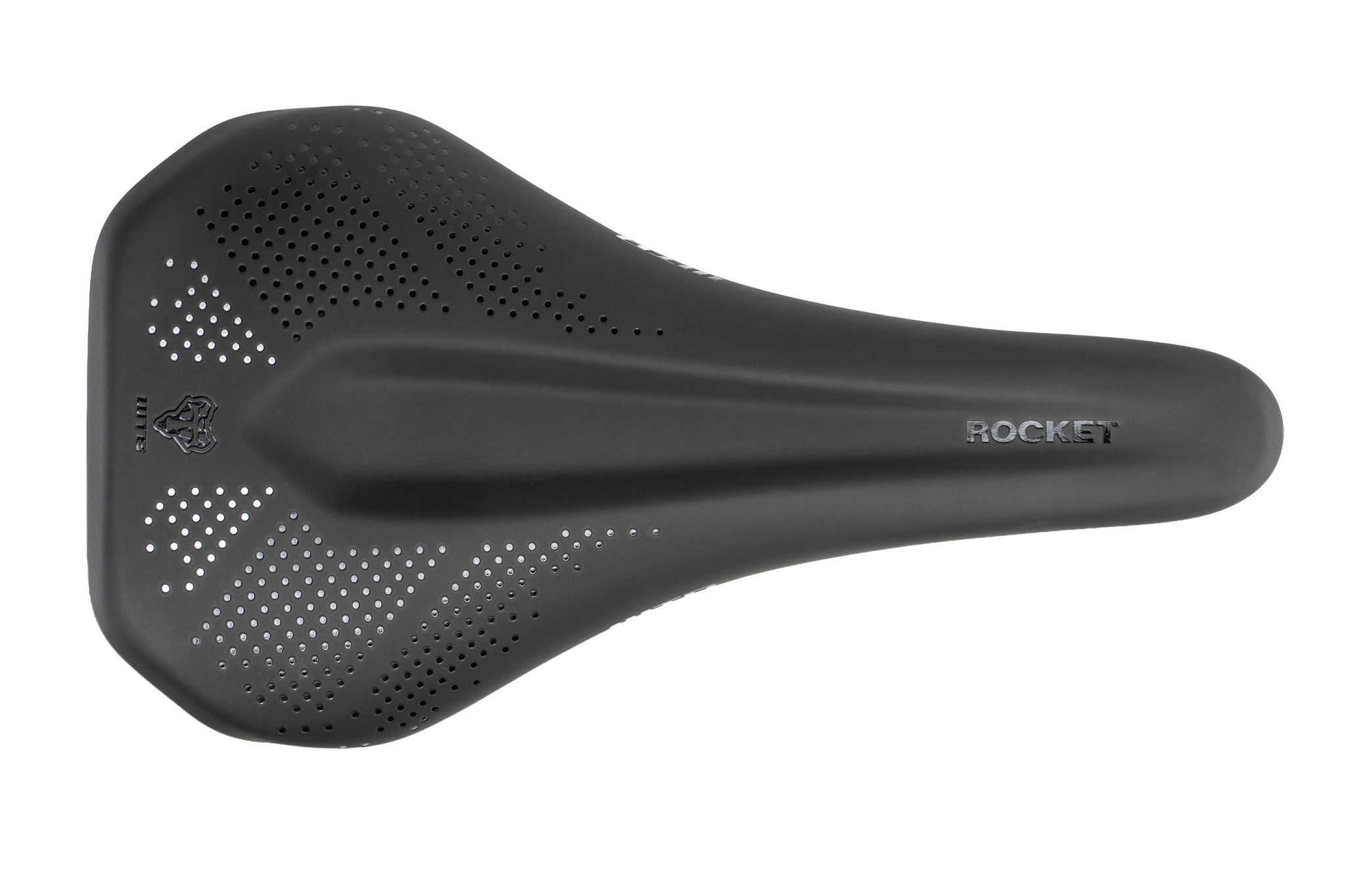
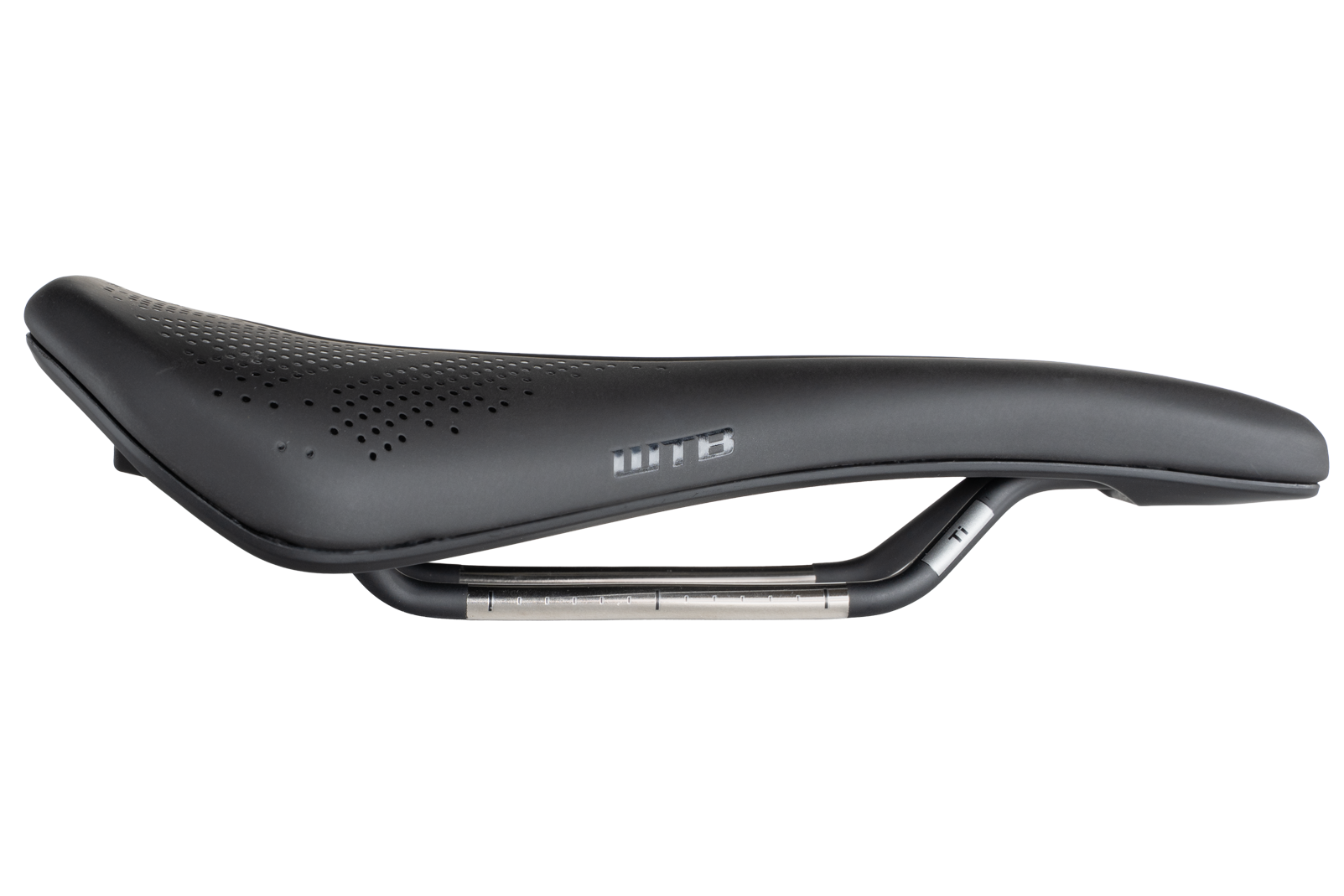
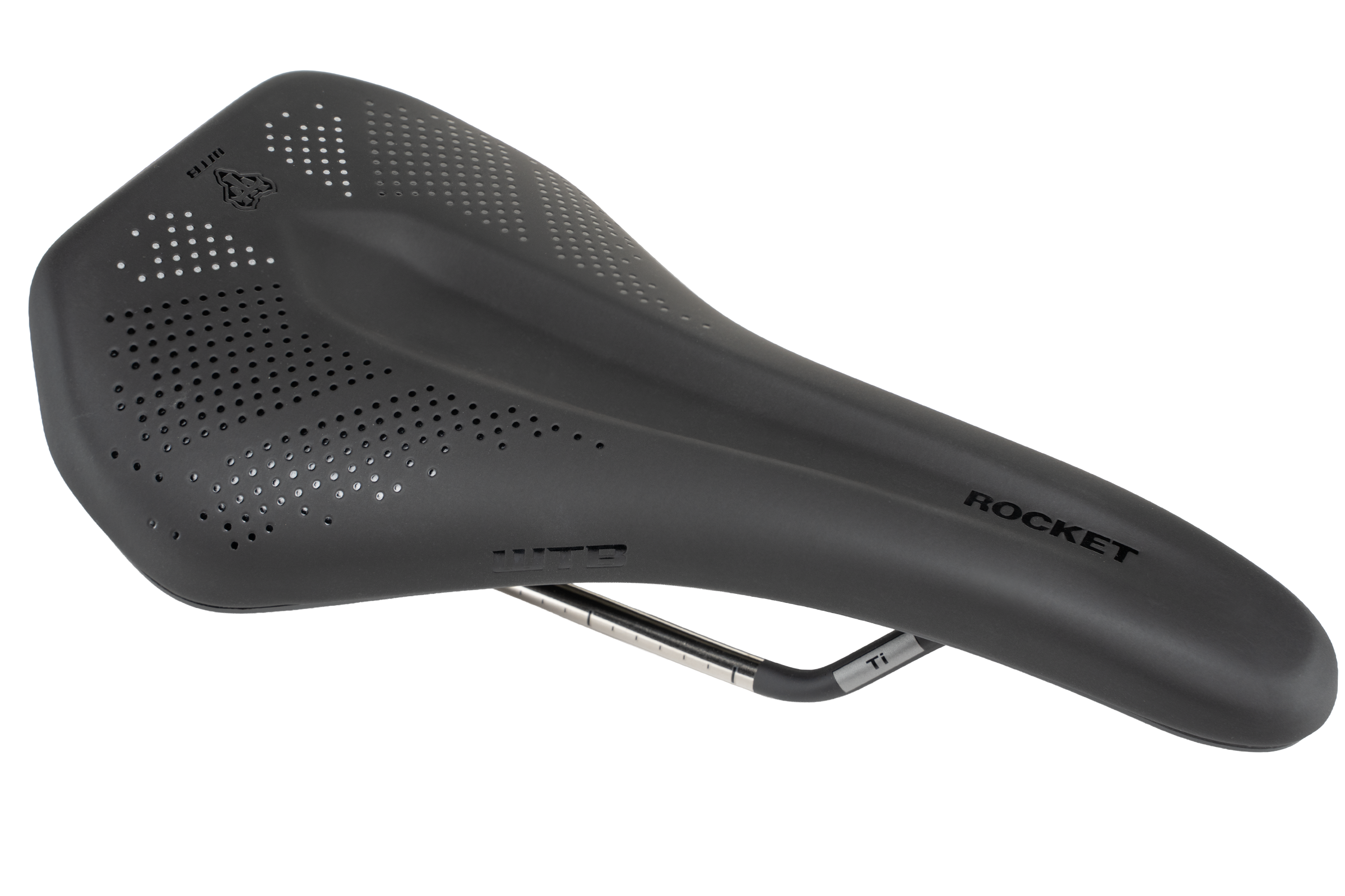
The Rocket saddle is designed for mountain bikers who prioritize comfort and support during long rides. With thick padding and a curved profile from tip to tail, the Rocket cradles riders who stay seated while climbing or navigating technical terrain.
Perfect for e-MTB and enduro-focused riders, the Rocket Saddle delivers unmatched comfort, support, and functionality, ensuring every ride feels as good as the first mile.
Choose options

Fusion Form Base

The "Backstop"

Hidden Handle

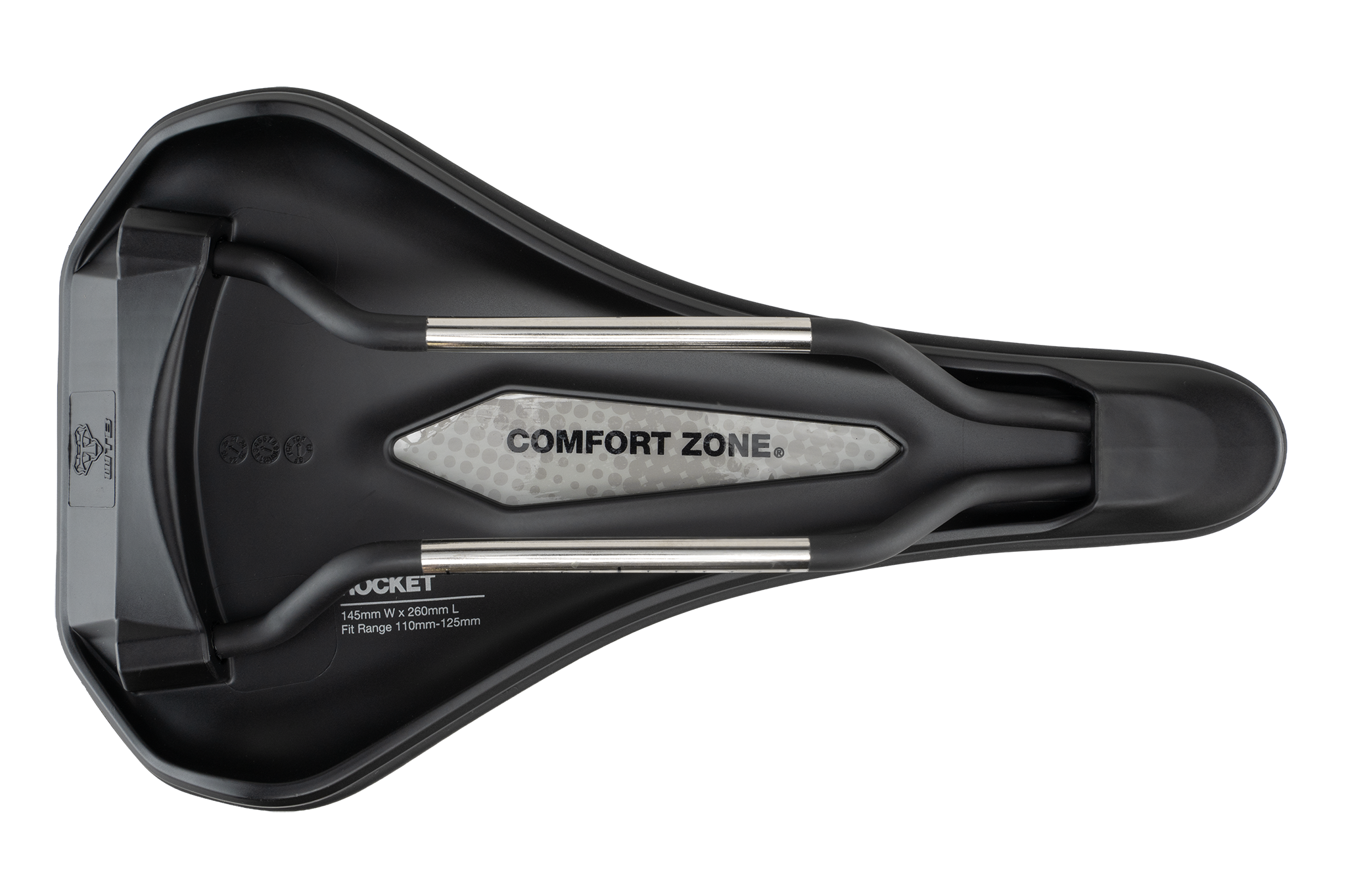
Comfort Zone & Love Channel
Thicker Padding where you need it





| Product Details | Width | Sit Bone Range | Dimensions | Rail Material | Cover Material | Padding | Weight | MSRP | Part # |
Medium Titanium Fusion Form Black Saddle | Medium | 110-125mm | 145x260mm | Titanium | Microfiber | DNA | 254g | $119.95 | W065-0741 |
| Rocket Medium Stainless Fusion Form Black Saddle | Medium | 110-125mm | 145x260mm | Stainless | Microfiber | HLX | 267g | $109.95 | W065-0742 |
| Rocket Medium Cromoly Fusion Form Black Saddle | Medium | 110-125mm | 145x260mm | Cromoly | Microfiber | HLX | 331g | $95.95 | W065-0743 |
| Rocket Medium Steel Fusion Form Black Saddle | Medium | 110-125mm | 145x260mm | Steel | Microfiber | DNAx | 366g | $49.95 | W065-0744 |
*Recommended torque for all carbon rails: Vertical load clamp- 80 in-lbf (9.0N*m). Side-load clamp- 120 in-lbf (13.5 N*m)
Recommended torques are specific to WTB carbon saddles. You must also consult the saddle User's Manual for the seat post's recommended torque. If the seat post torque recommendation exceeds the saddle's recommendation's always use the lower torque recommendation.
Frequently Asked Questions
Thinner padding tends to be preferred by riders with good flexibility who are leaned forward while pedaling for rides longer than two hours. Thicker padding is often better for riders who sit in a more upright position and find themselves on rides that usually involve less than two hours of riding.
Thicker padding allows a rider's sit bones to sink into the saddle for a more cradled feel that feels plush and maximizes comfort for short durations of time. However, this same support can also pinch the soft tissues around your sit bones after a bit of time and end up causing more discomfort on lengthy rides. Saddles with thinner padding provide less cushion, are therefore firmer, and allow the sit bones to sit perched atop the saddle rather than cradled within it. While thinner padding may seem less comfortable at first, it often proves more comfortable for rides longer than two hours.
Our saddles don't have a specific weight limit. The reason being that rider weight is not what limits a saddle's strength. It's the amount of force that a rider (or the ground during a crash) exerts on the saddle that determines whether it will be damaged. It's hard to put a max rider weight limit on a saddle when a 350-pound rider may not encounter any saddle strength issues while a 120-pound rider may accidentally come down too hard on the saddle and damage it. The amount of force is a bigger factor, as well as where the force is directed on the saddle. Instead, we rely on ISO testing standards to ensure our saddles are strong enough to withstand the forces exerted in most riding situations within the intended usage. All WTB saddles meet or exceed the ISO saddle standard, which is 400 kN in a downward direction on the tail of the saddle.
Heavier riders will exert more force on their saddle compared to a lighter rider if the rider is traveling at the same rate of speed during the point of contact. Cromoly and steel saddle rails tend to be more resilient and provide increased sheer strength over titanium or carbon rails, therefore heavier riders may find more peace of mind on a saddle with cromoly or steel rails.
All properly manufactured saddle rails should be able to handle the weight of riders well over 100kg, but how those materials fail when stressed to their limits would be my biggest consideration when suggesting a saddle that will be used by a heavier rider. Steel tends to bend, whereas titanium tends to shear and carbon tends to crack/snap. Heavier riders will likely find the most peace of mind on a saddle with steel or cromoly steel (lighter weight, yet still strong) rails.
Please click this link to check out the WTB Fit Right System, which uses a simple method to determine personalized saddle fit. Based on your individual biometrics and riding position, we calculate your sit bone measurement and match it to our complete range of saddles.

FUSION FORM BASE
Our Fusion Form base technology allows us to fine-tune the amount of fiber infused into the nylon of each specific saddle model to create a flex profile that balances comfort, support and durability to match the intended use of a saddle.
The Rocket's unique base provides a supportive and responsive flex profile that optimizes power transfer under hard efforts while also absorbing vibrations transferred through the bike.

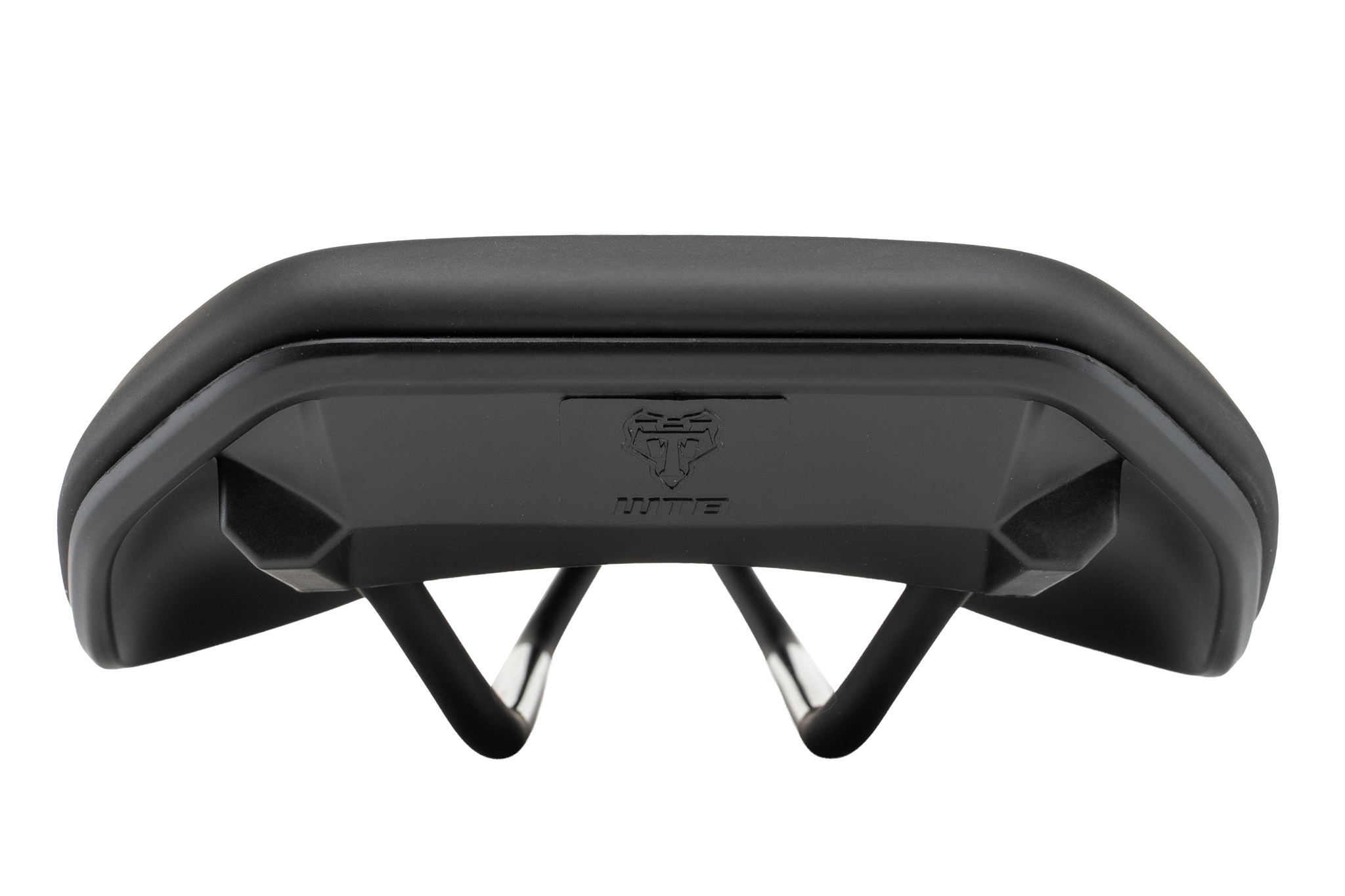
Hidden Handle
An integrated handle is hidden under the rear of the saddle to assist in lifting bikes onto racks or through hike-a-bike sections. You know when you are trying to load your bike into the back of your truck or on your bike rack, there is this nifty little handle to give you a hand.

Who was this designed for?
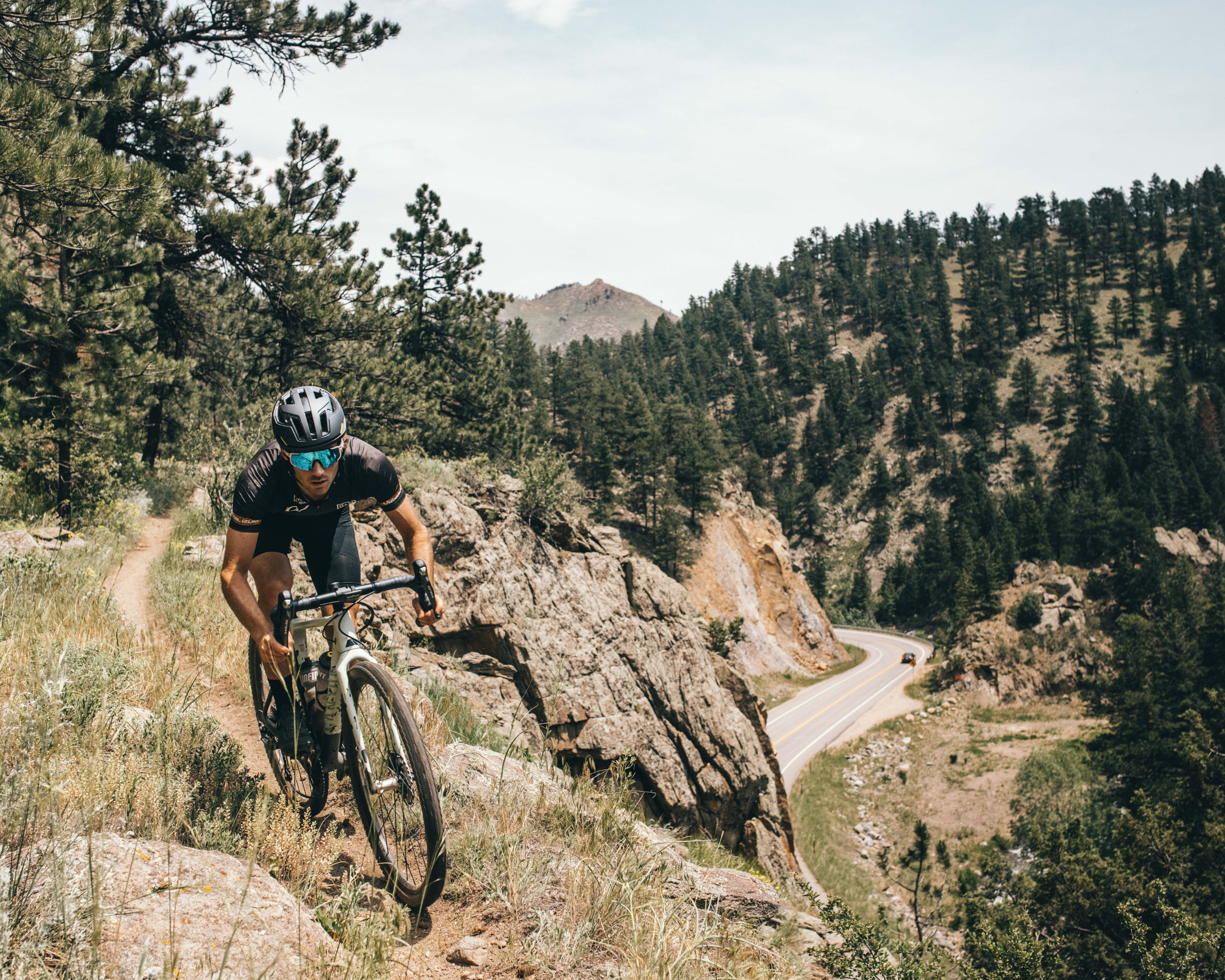
This rider is a mountain biker looking for the most comfortable and supportive bike seat for long days. Thick padding provides plenty of cushion for the rider that tends to stay seated for most of the day. Generous curvature from the tip to tail cradles the rider who stays planted in the saddle while climbing or navigating technical terrain.

Designed into the saddle - the Backstop
The Backstop is a hidden “ramp” within the base, creating a supportive surface to brace against during the steepest of climbs.

Rocket Saddle Overview
PRESS REVIEWS

"Great For Long Days"
- The Radavist

"An Enduro Rider's Dream"
- Off-Road.cc

"Brilliant hidden feature"
- Singletracks