









How do you know which bicycle saddle is the best fit for you?
Saddle Fit: How to Find the Right Bicycle Saddle for You
Finding the perfect saddle fit is crucial for comfort, performance, and injury prevention. Whether you’re tackling long gravel rides, shredding singletrack, or commuting daily, the right saddle can make or break your ride. But with so many options available, how do you know which bicycle saddle is the best fit for you?
Let’s break it down step by step so you can ride farther, faster, and pain-free.
1. Understanding Saddle Fit: Why It Matters
The human crotch was not designed to bear weight. But we are going to sit on a bike seat, so how do we accomplish this safely and comfortably? The solution is to isolate our mass on boney structure - our sit bones. A properly fitting saddle will have you propped up on your sit bones with no pressure in the perineum or soft tissue in the middle. This will eliminate a variety of issues, including numbness.In addition, correct saddle choice will enable you to maximize your potential - ensuring proper pedaling efficiency, weight balance and bike control.


The goal is to find a saddle that matches your anatomy, riding style, and bike setup for optimal comfort and performance.
2. Measure Your Sit Bone Width
One of the most important factors in saddle fit is sit bone width. Your sit bones are the bony structures in your pelvis that support your weight while riding.
How to Measure Your Sit Bone Width at Home:
1. Place a piece of cardboard or memory foam on a hard, flat surface. Wooden or concrete stairs are perfect. Sit on the cardboard with your feet on the step below the cardboard. This helps the sit bones to leave an impression in the cardboard.
2. Stand up and locate the two impressions left by your sit bones.
3. Measure the distance between them in millimeters.
4. Repeat at least one more time to ensure a good measurement.
Choosing the Right Saddle Width:
Take your sit bone measurement to your existing, or any, saddle. That measurement should fit on the top, in the seating area. If the measurement falls outside of the width of the saddle, the saddle is too narrow. Your measurement should be approximately 10mm from the edge of the saddle.If it’s more than 20mm, the saddle is too wide.This approach works for all saddles, regardless of what the overall width of the saddle is; not all medium width saddles fit the same range of sit bones!

In general:
|
Saddle Width |
Sit Bone Range |
|
Narrow |
90-110 |
|
Medium |
110-125 |
|
Wide |
125-155 |
3. Match Your Saddle Shape to Your Riding Style
The shape of your saddle should complement your riding position and movement on the bike.
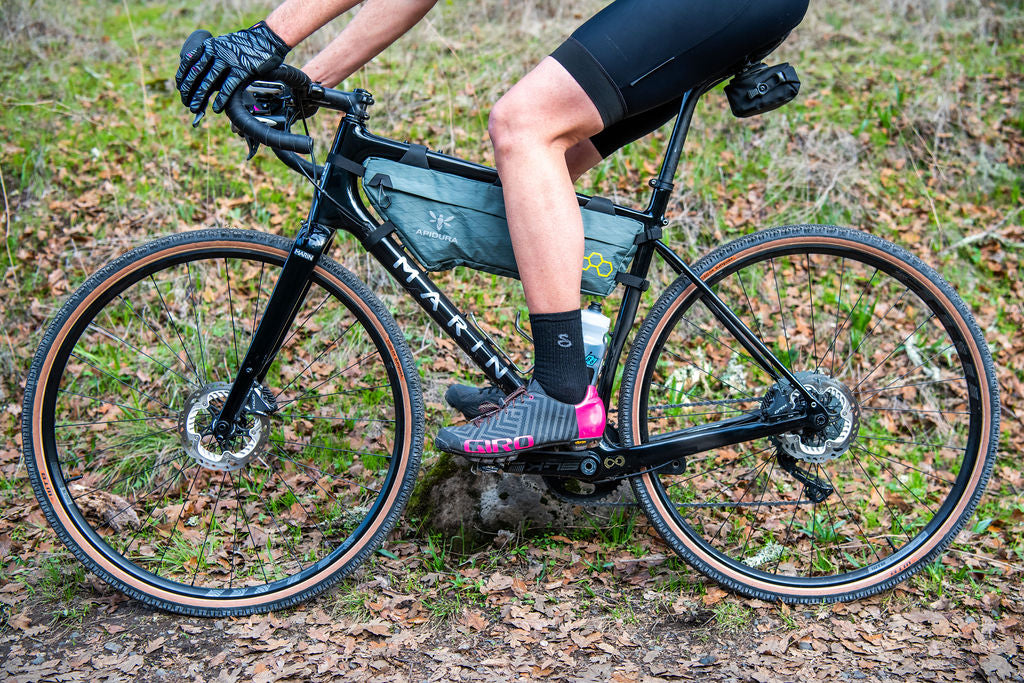
🚴 Road & Gravel Riders – Opt for a narrower, longer saddle with a slight curve for efficient pedaling.
🌲 Mountain Bikers – A medium to wide saddle with a rounded rear allows for better control on technical terrain.
🏙️ Commuters & Leisure Riders – A wider, more cushioned saddle provides comfort for an upright posture.
4. Consider Saddle Padding & Cutouts
A common misconception is that more padding equals more comfort. In reality, the right amount of padding depends on your riding style and duration.
✔ Minimal Padding – Best for performance riders who want maximum efficiency and weight savings.
✔ Medium Padding – Ideal for gravel, endurance, and mountain biking, balancing comfort and support.
✔ Thick Padding – Great for commuters and recreational riders who prioritize plush comfort.
Do You Need a Cutout?
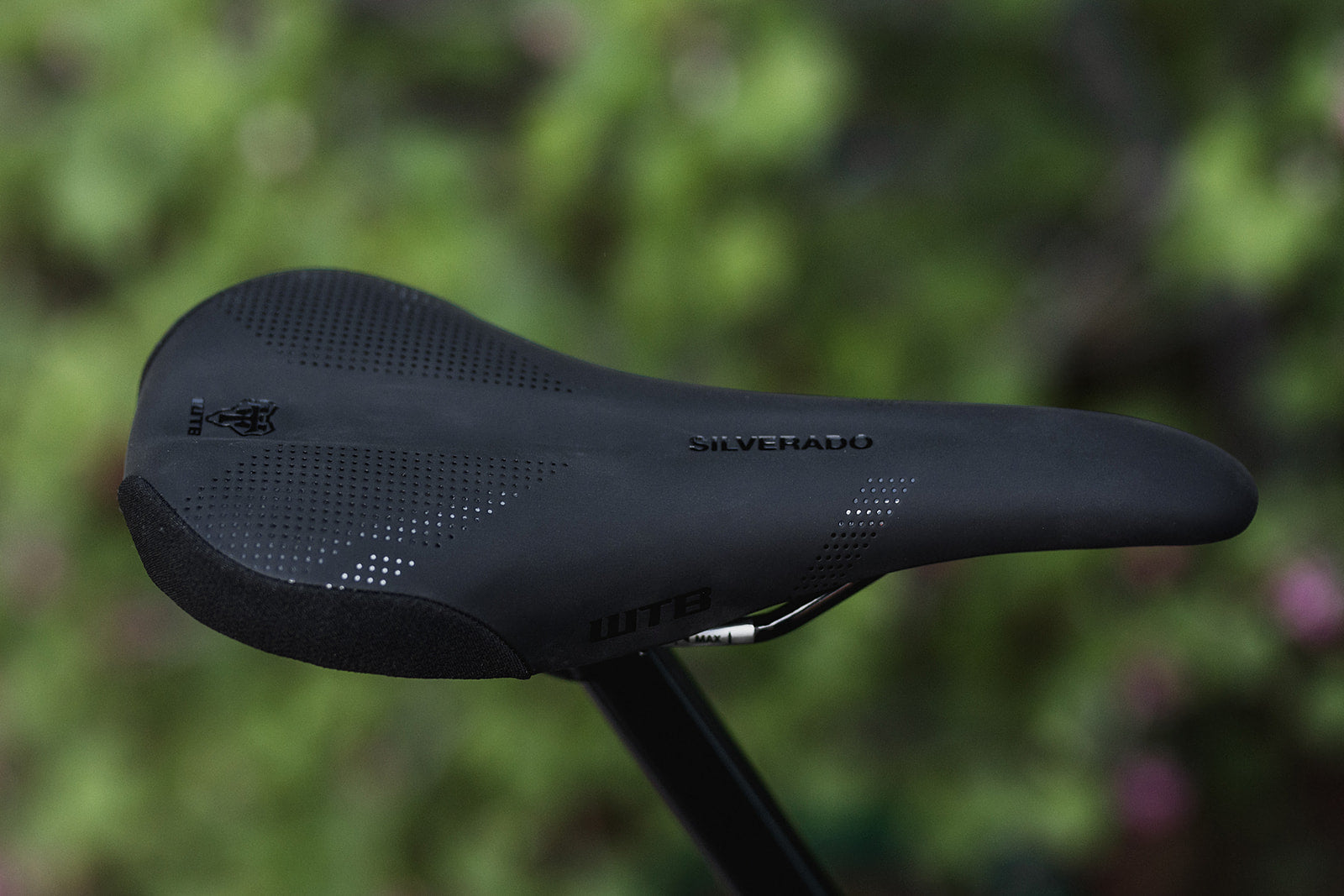
Many saddles feature a pressure-relief channel or cutout to reduce numbness and improve circulation, especially for riders who stay seated for long periods. WTB’s Love Channel and Comfort Zone designs provide targeted relief for increased comfort.
5. Test & Adjust for the Perfect Fit
Even the best saddle fit requires fine-tuning. Here’s how to dial in your setup:
✔ Saddle Height: Set your saddle so your knee maintains a slight bend at the bottom of the pedal stroke.
✔ Saddle Tilt: A level saddle is ideal for most riders. Tilt adjustments can relieve pressure if needed.
✔ Fore-Aft Position: Position the saddle so your knee aligns over the pedal spindle for efficient power transfer.
Final Thoughts: Find Your Perfect Saddle Fit with WTB
A properly fitted saddle enhances comfort, efficiency, and overall ride enjoyment. By considering sit bone width, saddle shape, padding, and adjustability, you can eliminate discomfort and ride with confidence.
WTB offers a full range of gravel, mountain, and road bike saddles to match every rider’s needs. Use our Saddle Fit Right System to find the perfect match and experience a pain-free ride.
Upgrade Your Ride – Find Your WTB Saddle Today!


